
After years of loyal service from the legendary Sony A7iii – a camera that truly democratized full-frame mirror-less, I made the switch to the A7iv as soon as it was available to pre-order back in November 2021. It wasn’t a decision driven by desperation, but by the hunger for hybrid excellence. While the A7iii was and still is a brilliant photographer’s camera that also shot video; the A7iv felt like a true hybrid workhorse.
Why I Upgraded from the A7iii
For me, the decision to leave the A7iii came down to three major quality-of-life and professional needs, primarily centered around video and user experience.
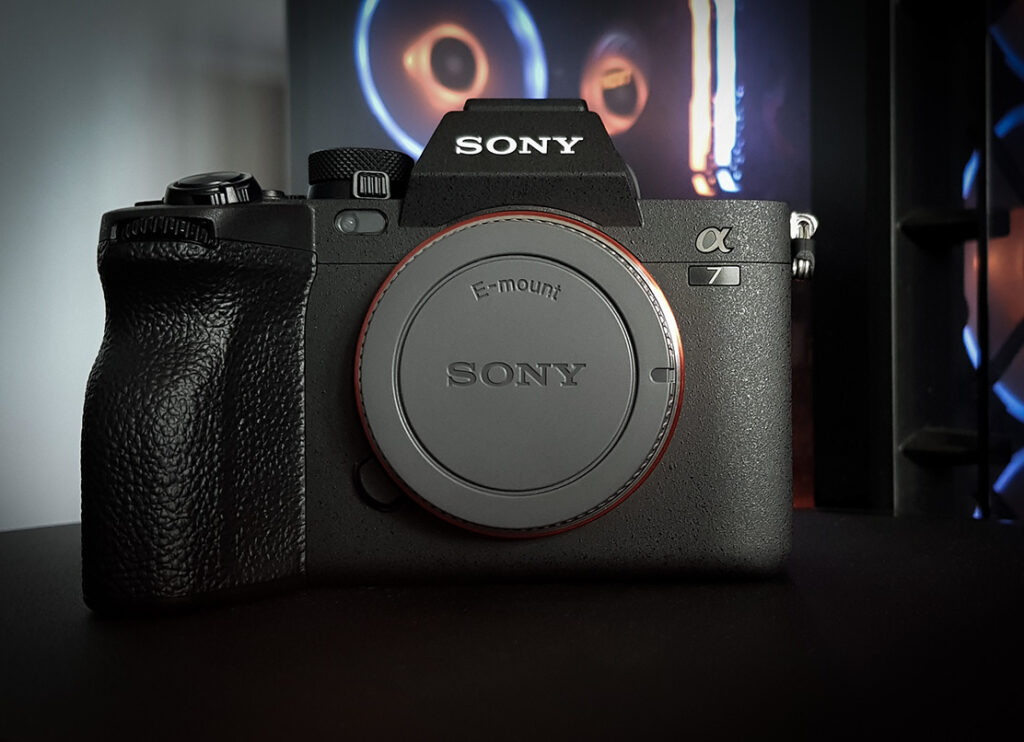
New 33-megapixel sensor: As a primary landscape and nature photographer, the A7iv’s new 33MP BSI CMOS sensor was the headline feature for me, providing a sweet spot in resolution. While the jump from 24MP isn’t as dramatic as going from 24MP to 61MP (A7Riv), that extra resolution is incredibly valuable for cropping flexibility. I can punch in significantly on a landscape or wildlife shot without worrying about resolution loss for social media or web use.
Equally impressive is the camera’s dynamic range. Paired with the BIONZ XR processor, the sensor handles deep shadows and bright highlights with excellent grace. When working with RAW files, the amount of detail I can pull out of an under-exposed area or gently feather back from a slightly blown-out sky, with less noticeable noise or color artifacts was indeed cleaner than on the A7iii. It truly maximizes the flexibility of post-production for still images.
10-bit Video: 8-bit video of the A7iii was a significant bottleneck for color grading, particularly when shooting in S-Log. The A7iv’s jump to 10-bit 4:2:2 internal recording meant S-Log3 footage was finally robust enough to be pushed hard in post-production without severe banding or artifacts. This was the single biggest pro-video upgrade.
The Articulating Screen and Body: The A7iv’s fully articulating, side-hinged screen is an enormous workflow improvement. Coupled with the deeper, more comfortable grip and the cleaner, S-III style menu system, the camera finally felt like a premium tool, not a budget model.
Next-Gen Autofocus: While the A7iii’s AF was groundbreaking, the A7iv inherits the Real-time Tracking and subject recognition algorithms from Sony’s flagship cameras like the A7S3. The Eye-AF (now including bird and insect detection) is simply stickier, faster, and more reliable in both stills and video, offering complete confidence, especially with moving subjects.
Pros
– 33MP Resolution: Offers excellent detail and greater cropping headroom than 24MP.
– Fully Articulating Screen: Essential for video, high/low angle shots, and self-filming.
– True 10-bit 4:2:2 video: 4k 30p full-frame oversampled from 7K and a full size HDMI port for external recording.
– Flagship Autofocus: Real-time Tracking and improved subject detection (Human/Animal/Bird Eye-AF).
– Improved Ergonomics: Deeper grip, dedicated Stills/Video/S&Q dial, and a modern menu system.
– Lossless Compressed RAW: Provides smaller file sizes than uncompressed without the quality compromises of the older compressed format.
– Easy webcam setup: Can directly use it as a 1080p webcam via USB without needing an extra app.
Cons
– 4K 60p Crop: Shooting 4K at 60 frames per second forces a 1.5x crop into Super35 mode and no 4K 120p.
– Rolling Shutter: Visible rolling shutter when shooting fast action in full-frame 4K 24/30p.
– Rear Screen Resolution: The 1.03M-dot rear screen resolution is fairly basic for a camera in this class.